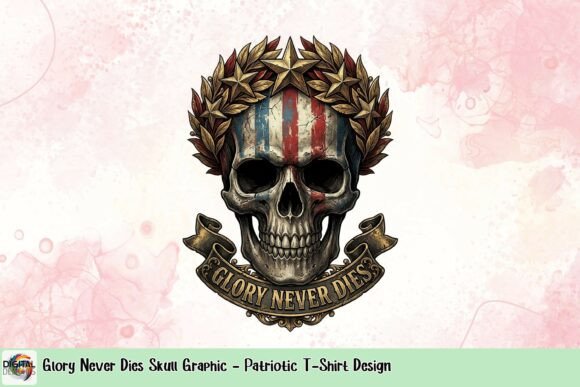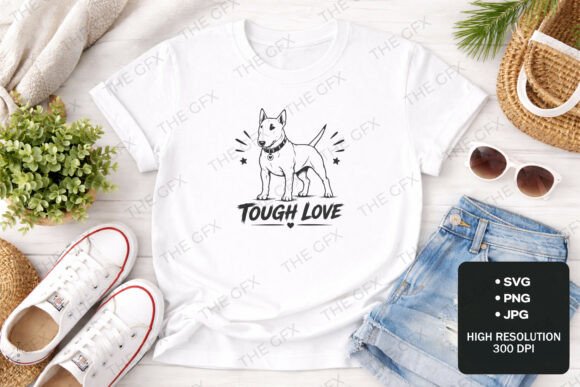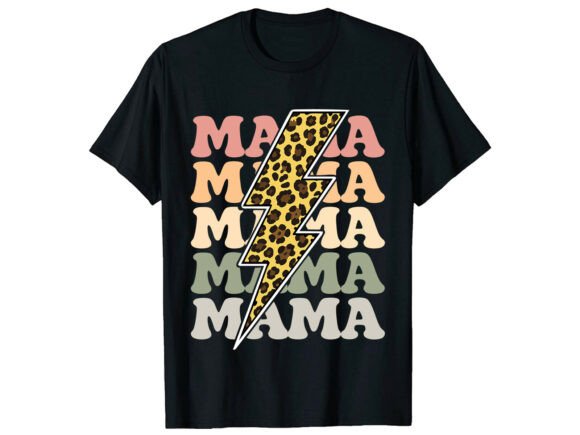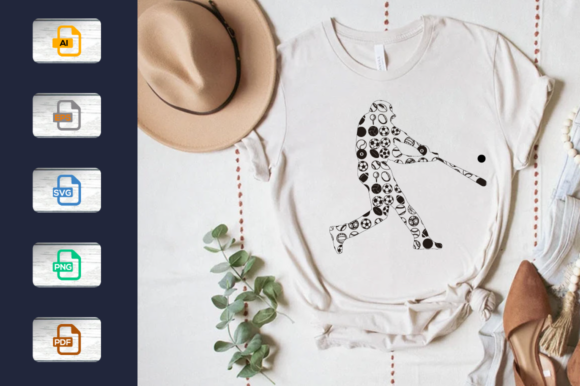
Brainrot Tshirt Graphic Design PNG for Bold Creators
If you've spent any time scrolling through TikTok or Instagram lately, you know exactly what "brainrot" culture looks like. It's chaotic, ironic, self-aware, and deeply rooted in internet humor that resonates with Gen Z and younger millennials. Now imagine capturing that energy in a single design asset. That's precisely what a Brainrot Tshirt Graphic Design PNG offers — a print-ready file packed with personality, designed to translate internet culture onto physical products people actually want to wear.
What Makes This Design Style Stand Out
Brainrot graphic design pulls from a very specific visual language. Think distorted text, exaggerated expressions, surreal mashups, and references that only make sense if you've spent too many hours online. The aesthetic embraces imperfection on purpose. Colors might clash intentionally. Elements overlap in ways that feel chaotic but somehow balanced. There's a rawness to it that rejects the polished, corporate look most brands default to.
A high-quality brainrot tshirt graphic design typically features bold compositions that work at a glance. You're not dealing with subtle gradients or delicate details that disappear on fabric. Instead, these designs use strong contrast, solid shapes, and heavy visual weight. They grab attention from across a room, which is exactly what a good t-shirt graphic needs to do.
The personality behind this style is irreverent and playful. It speaks a visual dialect that younger audiences recognize instantly, but it also carries enough visual punch to appeal to anyone who appreciates bold, unconventional design. That crossover appeal makes it surprisingly versatile for entrepreneurs and creators looking to build product lines with character.
Why Print-Ready PNG Files Matter More Than You Think
Here's where practical value enters the conversation. A Brainrot Tshirt Graphic Design PNG with a transparent background isn't just a nice file format — it's a workflow decision. When you're running a print-on-demand business or creating products through DTF, DTG, sublimation, or even Cricut and Silhouette machines, the file format directly impacts your output quality and production speed.
Transparent backgrounds eliminate the need for manual background removal, which saves hours across a product catalog. High resolution means the design holds up whether you're printing on a small mug or an oversized hoodie. No pixelation, no muddy edges, no rework. You download the file, drop it into your production template, and move forward.
This matters especially for small business owners and independent creators who wear multiple hats. You're not just the designer — you're the marketer, the production manager, and the customer service team. Every minute saved in the design-to-production pipeline is a minute you can spend on growing the business instead of troubleshooting files.
Real Applications Beyond T-Shirts
The obvious use case is apparel, and rightfully so. Brainrot designs look fantastic on t-shirts, hoodies, and sweatshirts. The bold visual style translates naturally to fabric because it doesn't rely on fine details that get lost in textile printing. But limiting yourself to shirts means leaving money on the table.
Tote bags are an increasingly popular canvas for this aesthetic. The casual, reusable nature of a tote pairs perfectly with ironic or humorous graphics. Mugs work surprisingly well too — a brainrot design on a coffee mug becomes a conversation starter at the office or a gift that feels personal and current. Stickers, phone cases, posters, and even throw pillows can all carry this style effectively.
For content creators and bloggers, these designs serve double duty. Use them as merchandise for your audience, but also incorporate them into social media graphics, YouTube thumbnails, or promotional materials. The visual energy of brainrot design naturally performs well in digital spaces where attention spans are short and first impressions happen in milliseconds.
Evaluating Quality Before You Commit
Not every design file labeled "high quality" actually delivers. Before purchasing or using a Brainrot Tshirt Graphic Design PNG, run through a few practical checks. Open the file at full resolution and zoom in on the edges. Clean, crisp edges indicate proper vector-to-raster conversion or careful pixel-level work. Jagged or blurry edges suggest the file was upscaled from a smaller source, which will show in print.
Check the color profile. Files intended for print should work in CMYK or at least convert cleanly without significant color shifting. RGB files designed for screen use sometimes produce disappointing results when printed, especially with vibrant neons or deep saturation levels common in brainrot aesthetics.
Test the transparent background by placing the design over different colored surfaces in your design software. A properly created PNG will have clean cutouts with no stray pixels, halos, or color fringing around the edges. These artifacts are invisible on a white background but become glaringly obvious on dark or colored substrates.
Matching the Design to Your Brand
Brainrot graphics carry a strong personality, which means they won't fit every brand equally. If your brand identity leans clean, minimal, and corporate, dropping a chaotic brainrot design onto your product line will feel disjointed. But if your brand embraces humor, internet culture, youth-oriented messaging, or counter-culture energy, this style can become a signature element that sets you apart.
Think about your audience's visual expectations. A 25-year-old shopping for streetwear has completely different aesthetic tolerances than a 45-year-old buying corporate gifts. Brainrot design speaks most fluently to audiences who are digitally native and culturally plugged in. That said, there's a growing market of older consumers who appreciate absurdist humor and aren't afraid to wear something that doesn't take itself seriously.
For entrepreneurs building multiple product lines, consider using brainrot designs as a distinct collection or sub-brand rather than mixing them into a broader catalog without context. This approach lets you target a specific audience segment while keeping your overall brand identity coherent. It also makes marketing more straightforward because you can speak directly to the culture these designs reference.
Practical Tips for Getting the Most Out of Your Files
Start by organizing your design assets strategically. If you're downloading multiple brainrot PNG files, create a dedicated folder structure sorted by product type, color scheme, or theme. This saves significant time when you're building mockups or fulfilling orders under deadline pressure.
When preparing files for different production methods, remember that each technique has its own requirements. DTF and DTG printing handle fine details and color gradients better than basic screen printing. Sublimation works best on light-colored polyester substrates, which affects how your design's color palette will render. Cricut and Silhouette cutting machines need designs with clean, defined edges and work best with simpler compositions rather than highly detailed illustrations.
Always create a test print before committing to a production run. What looks perfect on screen sometimes reveals unexpected issues on physical products — colors that shift, details that blur, or sizing that feels off in real-world proportions. A single test print costs a few dollars but can save hundreds in wasted inventory.
Finally, keep licensing terms in mind if you're using these designs commercially. Most premium design assets come with clear commercial licensing, but the specifics vary. Some allow unlimited product sales while others cap the number of units. Understanding these terms upfront prevents legal headaches down the road and ensures you're building your business on solid ground.