Everybody Loves Chicken Strips: A Fun Rooster Chef Graphic
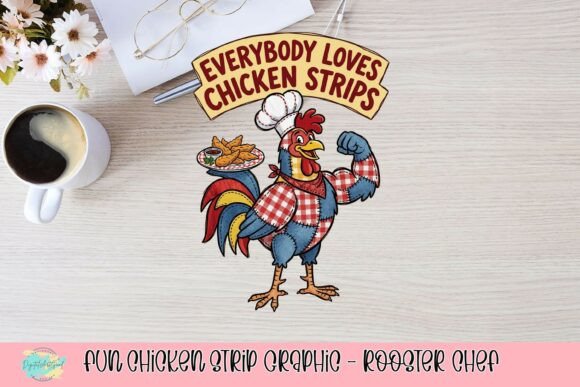
Every so often, a piece of design comes along that immediately communicates a feeling without needing a single word. The "Everybody Loves Chicken Strips" graphic is exactly that kind of asset. It’s not just a collection of shapes and colors; it’s a personality captured in a PNG. At its center, you have a cartoon rooster, rendered in a bold, playful style, decked out in a chef’s hat and a checkered shirt. He isn’t just standing there; he’s proudly presenting a plate of crispy chicken strips. The visual language is unmistakable: it’s about comfort food, humor, and a lighthearted approach to the kitchen.
From a design perspective, the appeal of this rooster chef lies in its versatility and emotional resonance. The style is colorful and cartoonish, which gives it a friendly, approachable vibe. This isn’t a hyper-realistic illustration that demands serious contemplation; it’s a piece of visual shorthand for fun. Think about the last time you saw a similar character on a local diner’s menu or a fun apron. It likely made you smile. That’s the power of this kind of character-driven graphic. It bypasses the analytical part of the brain and goes straight for a positive, humorous reaction. For designers and creators, this is a valuable quality. It means the graphic can do much of the heavy lifting in setting a tone, allowing you to build a project around a core of established personality.
Where This Rooster Chef Graphic Truly Shines
Understanding where a design asset like this works best is key to using it effectively. Its strengths are not in formal, corporate settings, but in projects that aim to be engaging, personal, and fun. Let’s break down some practical applications.
For Apparel and Personal Products
This is perhaps the most natural fit. The bold, simple lines and high-contrast colors of the rooster chef make it ideal for printing on a variety of materials. Consider its use on:
- T-shirts and Hoodies: The graphic is a perfect standalone centerpiece for casual wear. Its humorous take on a beloved food makes it a great conversation starter.
- Aprons and Kitchen Towels: Directly related to its culinary theme, placing this design on kitchen textiles reinforces a fun, home-cooking atmosphere.
- Mugs and Drinkware: A morning coffee mug featuring this cheerful rooster can set a positive tone for the day. It’s a small, impactful use that brings personality to an everyday object.
- Phone Cases and Stickers: For a younger or more digitally-native audience, these applications allow for personal expression with a touch of humor.
For Digital and Print Marketing
While it’s a great physical product graphic, its utility in marketing and branding is just as strong, especially for specific industries. A small business owner, a food blogger, or a local restaurant can leverage this graphic to build a memorable brand identity. Imagine it on:
- Social Media Graphics: A post announcing a new chicken strip special on a restaurant's Instagram page would instantly grab attention with this rooster chef. It’s more engaging than a simple photo of food.
- Party Invitations and Menus: For a casual backyard barbecue, a kid’s birthday party, or a community potluck, this graphic sets the perfect, relaxed tone.
- Advertising Materials: Flyers, posters, or digital ads for a local eatery can use this character to build a friendly, approachable brand perception. It tells customers, “We’re serious about our food, but we don’t take ourselves too seriously.”
- Blog Headers and Website Banners: Food bloggers, particularly those focused on comfort food or family recipes, can use this as a recurring character to build brand recognition and add a layer of charm to their editorial design.
Making the Most of a Character-Driven Design Asset
Integrating a graphic with this much personality requires a thoughtful approach. You’re not just adding an image; you’re introducing a character and a mood. Here’s how to do it well.
First, consider its influence on your overall brand perception. If you’re a small business, especially in the food or family-oriented space, this graphic can be a cornerstone of your brand identity. It signals that your brand is fun, approachable, and values a sense of humor. Consistency is key here. Using the rooster chef across your social media, packaging, and in-store materials creates a cohesive and recognizable character that customers can connect with. This builds familiarity and, over time, a stronger brand recall.
Next, think about font pairing. This is crucial for maintaining readability and a professional look. The graphic itself is a display element, full of character. Pairing it with a highly stylized script font or an overly ornate serif font could create visual chaos. Instead, opt for clean, complementary typography. A friendly, rounded sans-serif font would work beautifully for body text or call-to-action buttons, as it echoes the graphic’s approachable nature without competing for attention. For a main headline, you could use a bolder sans-serif or a playful, handwritten font that matches the graphic’s energy, but be careful not to go overboard. The goal is a harmonious visual hierarchy where the rooster is the star, and the text supports it clearly.
Finally, practical considerations matter. Since this is a PNG file, think about its resolution. For high-quality printing on merchandise like t-shirts or large posters, you’ll want to ensure the source file is high-resolution to avoid pixelation. For digital use, this is less of a concern, but always check how it looks on different screen sizes. Also, while the description notes its versatility for personal and commercial projects, it’s always a best practice to double-check the specific licensing terms of any design asset you purchase. Understanding whether it covers unlimited print-on-demand sales or has other restrictions is essential for any entrepreneur or small business owner using it for commercial purposes. This simple check ensures your fun project stays legally sound.
In the end, the "Everybody Loves Chicken Strips" rooster chef is more than just a funny image. It’s a strategic design asset. Used thoughtfully, it can inject personality, build a memorable brand, and create an instant connection with an audience that appreciates a good laugh and a love for classic comfort food. It’s a reminder that sometimes the most effective design is the one that doesn’t take itself too seriously.